Last month I mentioned that I used to write a column for SisterShip Magazine called Sustainable Sailing. I had a few readers comment that they would enjoy reading those articles so I thought I would post a few of the PDF layouts this week.
One of the sustainability issues I tackled in 2020 was food waste. Seeing as we are, again, dealing with rising food prices and possible food storage due to world issues beyond our control, I thought it might be helpful to revisit the subject. In my article I noted that
43% of food waste occurs in the home.
“At first glance this seems like a miserable statistic, but I think it is one with an immensely powerful silver-lining. If 43% of the responsibility rests on our shoulders as the consumer then we also have the potential to change the outcome of 43% of the problem. As individuals we have the power to affect BIG global change simply by modifying a few daily food habits. If someone gave you a 43% chance of winning the lottery wouldn’t you buy a ticket?”

So what can you do to reduce food waste?
I made some easy and practical suggestions such as use what you have onhand before buying more food, making a meal plan and sticking to it when you shop and cook, and buy as much as you need not enough to survive a zombie apocalypse. (I have to admit this one has taken me some time to master…and I still fail when things are on super sale.)
I also asked that we examine our food choices a little more critically.
For instance, often times buying local has less of an overall impact than buying organic when you take into account the carbon costs of packaging and shipping. I also think it is important to acknowledge that the grocery stores have conditioned us into believing that only the most perfectly shaped produce is worth eating. When really, carrots come out of the ground twisted, and some apples have naturally occurring blemishes, and pumpkins and melons are often flat on one side because they grow sitting on the ground. And those imperfectly formed things are not only ok to eat, they are just as delicious. So we gotta stop throwing them away before they even reach the store.
I also believe in looking your food waste in the face.

It’s easy to overlook things like how the workers are treated that pick and process our food, how the animals you eat are raised and slaughtered, and as westerners how much of the animal we don’t eat. These aren’t comfortable discussions, but they are important.
If you’d like to read the full Sustainable Sailing Food Waste article you can find it HERE.
Another wasteful topic that we all have in common is E-Waste, or electronic waste.
Since I tackled this issue it seems like we have all become even more dependent on our devices. Or perhaps, I have just caught up a bit. However, with the rise of cheap electronics like E-bikes that are prone to catch fire and burn down houses, the seemingly never ending stream of advertisements about the latest, greatest phones, and the dirty fingerprints of AI all over everything it might be a good time for a refresher.
“It is estimated that approximately 50 million tonnes of e-waste is generated globally each year.
As developments in technology accelerate, items become more affordable and replacement cycles get shorter, that figure is projected to reach 120 million tonnes per year by 2050. Startlingly, only about twenty percent of e-waste is properly recycled.”
That was a stat that I quoted nearly five years ago. It’s almost too scary to consider how things have changed.
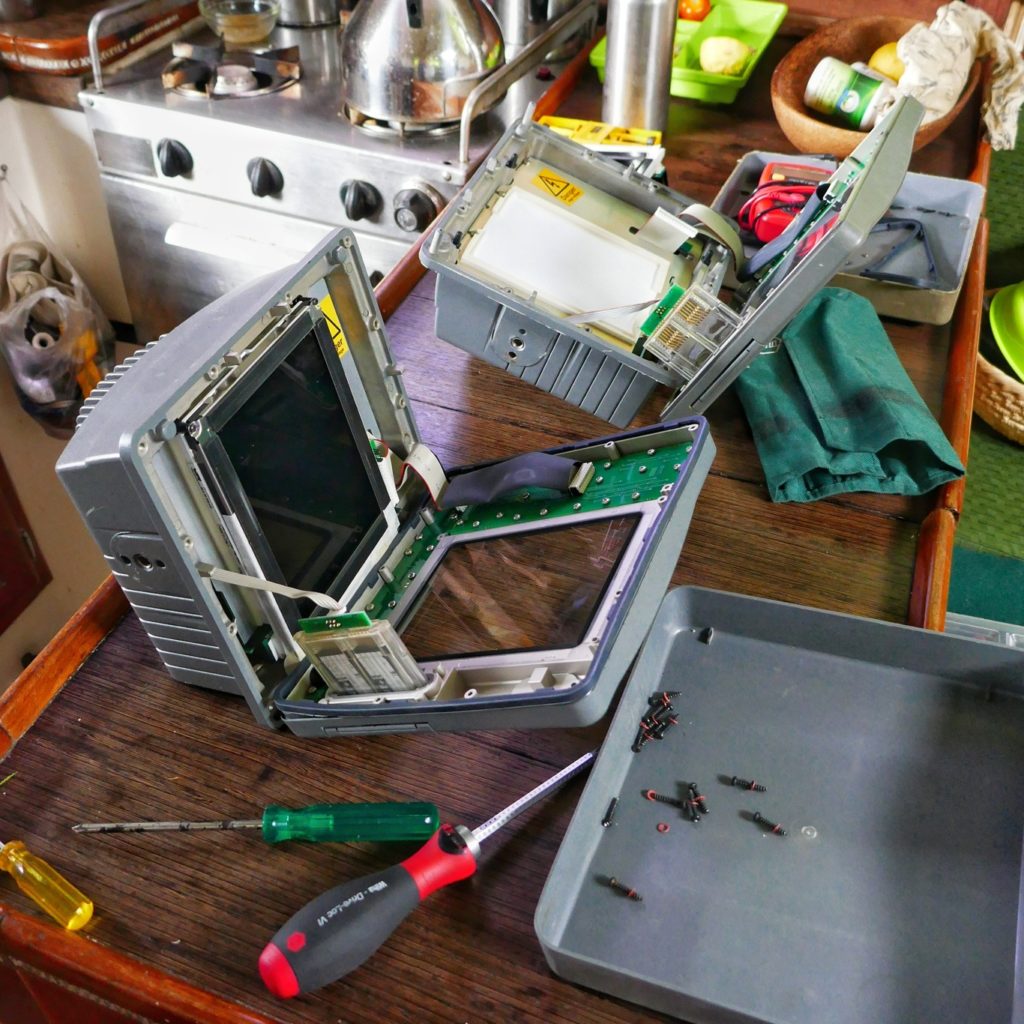
There is no getting away from technology, but some days I really wonder where we should draw the line.
If we continue to ignore the problem, or worse yet, if we continue to consume without considering the bigger issue of the energy it takes to both produce and keep our tech working, and waste that is produced both in the manufacturing, usage, and constant upgrading of things like cell phones, giant flat screen TV’s, and solar panels than we are going to be in trouble.
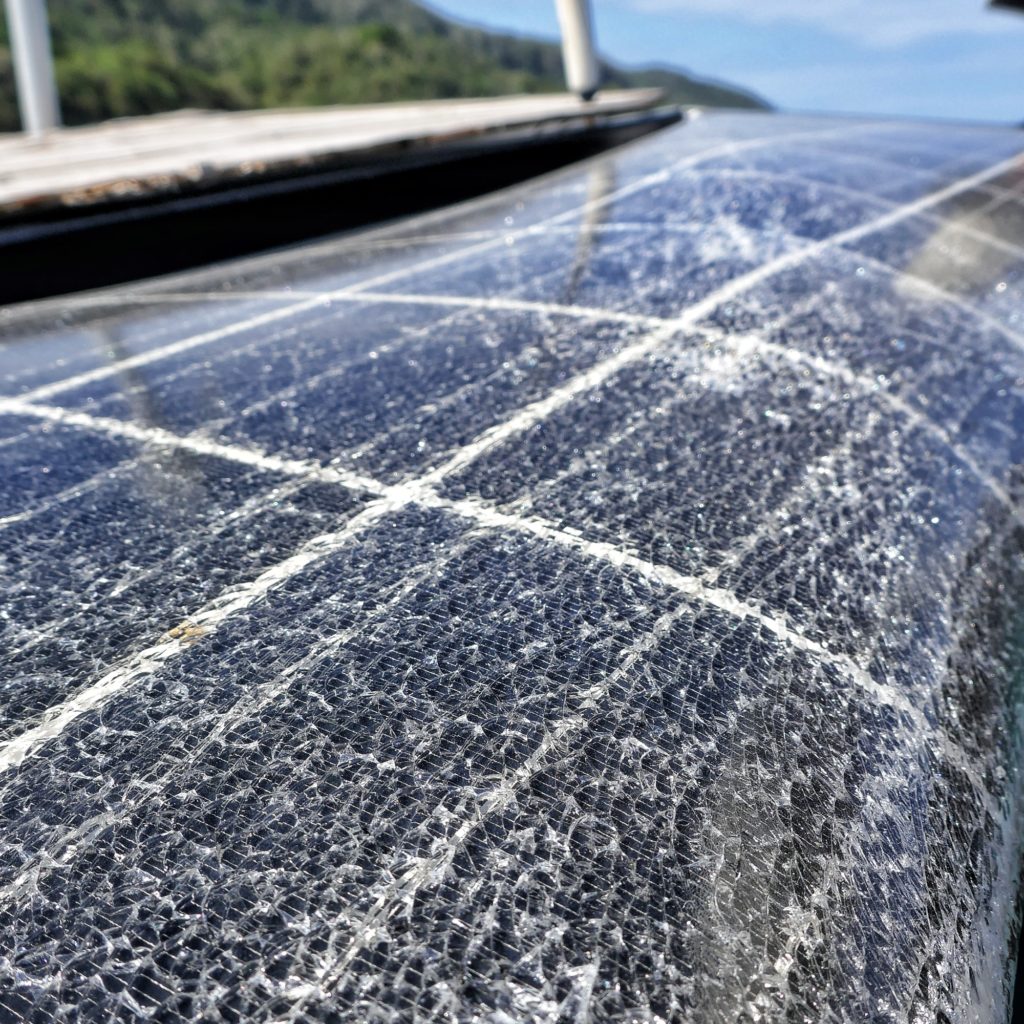
I am aware of the irony of me writing and posting about E-Waste while relying on said technology, but there are lines that I refuse to cross. Starlink being one. AI for my personal, daily use being another. No doubt I’ll revisit this subject again, there is just so much to think about.
For more on E-Waste and some hopeful suggestions about how we can all try and make modest reductions in our consumption you can read my full article HERE.
If you have any thoughts on either of these topics I’d love to hear them, so drop me line in the comment box below! For now, enjoy the reads.
Love,
H&S
